Boiler water leaks can be a homeowner’s nightmare. They disrupt daily life and can cause significant damage. Understanding why water is leaking from your boiler is crucial.
Leaks can originate from various parts of the boiler. The bottom, top, relief valve, and overflow pipe are common culprits. Each has its own set of causes and solutions.
Ignoring a leak can lead to bigger problems. It can increase energy bills and reduce heating efficiency. Prompt action is essential to prevent further damage.
This guide will explore common causes of boiler leaks. We’ll also provide practical solutions for repair and maintenance.
Understanding Boiler Leak Symptoms
Recognising the signs of a leaking boiler is crucial for timely intervention. Early detection can prevent extensive damage and costly repairs. There are several symptoms to be aware of.
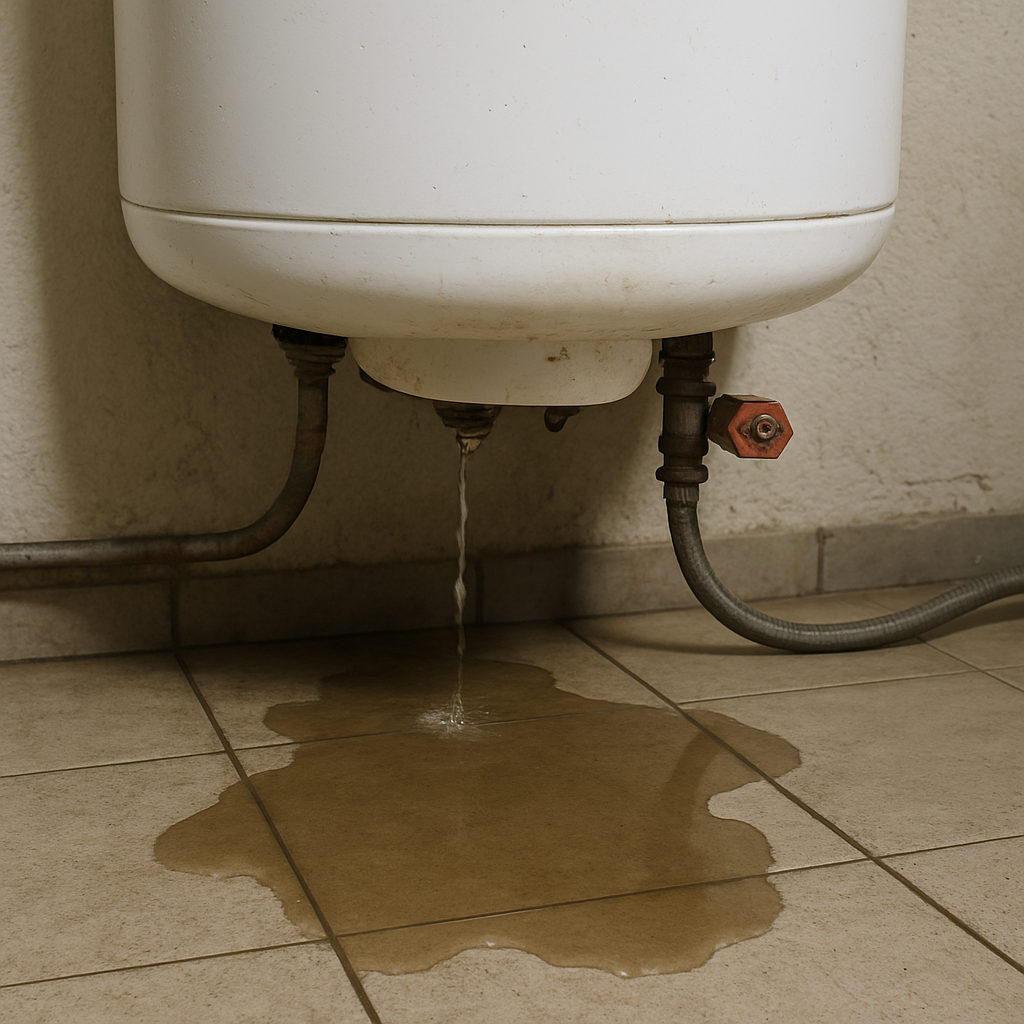
One of the most apparent symptoms is the presence of water puddles.
These can form around the base of the boiler. They are a clear sign of a potential leak.
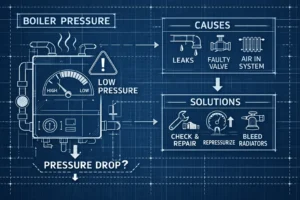
Other symptoms include a noticeable drop in boiler pressure. This can affect the efficiency of the heating system. Unusual noises, like hissing or gurgling, can also indicate a leak.
Common boiler leak symptoms to watch for:
- Puddles of water around the boiler
- Reduced boiler pressure
- Unusual noises from the unit
Keeping an eye on these symptoms can help address issues promptly.
Common Causes of Boiler Water Leaks
Boiler water leaks can originate from various causes. Understanding these causes aids in effective troubleshooting and repair.
Corrosion is a frequent culprit, especially in older boilers. Over time, rust can weaken the structure and cause leaks. Another common cause is high boiler pressure, which can lead to strained seals and gaskets.
Faulty components, such as worn valves or damaged seals, can also lead to water leaks. Regular use and lack of maintenance exacerbate these issues.
Key causes of boiler leaks include:
- Corrosion or rust
- Excessive boiler pressure
- Worn or damaged components
Understanding these causes helps tailor the appropriate repair strategy. Proper maintenance and timely repairs can prevent many leak issues.
Why Is My Boiler Leaking Water from Underneath or the Bottom?
Water leaking from beneath the boiler is often worrying. This can indicate significant internal issues. A common reason is corrosion, particularly in older models.
Another cause might be the pressure relief valve. It could be malfunctioning or faced with excess pressure, leading to leaks. Damaged seals or gaskets are also likely suspects for leaks from the bottom.
Typical reasons for leaks from the bottom:
- Corrosion of internal components
- Faulty pressure relief valve
- Damaged seals or gaskets
Addressing these issues quickly is essential to prevent further damage. Regular inspections can help in early detection.
Why Is My Boiler Leaking Water from the Top?
Leaks from the top of the boiler can point to different problems. One cause could be faulty connections, which might be due to loose or damaged piping.
Another frequent issue is worn seals at the top of the boiler. These seals can degrade over time, leading to leaks.
Common causes of top leaks:
- Faulty connections
- Worn or damaged seals
Ensuring tight and secure connections can often resolve these leaks. Regular maintenance can prevent seal wear.
Why Is My Boiler Leaking Water from the Relief Valve?
A leaking relief valve is typically a sign of a pressure problem. Excess pressure within the system may cause the valve to release water.
However, a malfunctioning valve can also cause leaks, even if the pressure is normal. Over time, components within the valve can fail.
Possible reasons for relief valve leaks:
- Excessive boiler pressure
- Malfunctioning relief valve
It’s important to monitor boiler pressure regularly. Addressing these valve issues early can prevent system stress.
Why Is My Boiler Leaking Water from the Overflow Pipe?
Overflow pipe leaks often indicate pressure issues. If the expansion vessel is faulty, it can lead to overflow. This causes excessive pressure, forcing water out of the pipe.
High pressure in the system is another culprit.
It may push water through the overflow pipe.
Common triggers for overflow pipe leaks:
- Faulty expansion vessel
- Excessive boiler pressure
Adjusting the pressure settings can sometimes resolve these issues. Regular checks help to maintain optimal performance.
Why Is My Boiler Leaking Water from Underneath Combi?
Combi boilers can leak from underneath for specific reasons. One potential cause is a faulty heat exchanger. When damaged, these can lead to water leakage.
Another cause is loose or disconnected joints in the piping system. These can shift and create leaks over time.
Causes of leaks in combi boilers:
- Faulty heat exchanger
- Loose or disconnected joints
Securing all connections and components can often stop these leaks. Regular inspection and maintenance are crucial for combi boiler health.
Boiler Troubleshooting Guide: How to Identify the Source of a Leak
Finding a boiler leak can seem daunting. However, a systematic approach simplifies the process. Begin by thoroughly examining visible parts of the boiler.
Pay special attention to joints and connections. Leaky seals or loose connections often show visible drips or moisture. Next, check around the pressure relief valve and the bottom of the boiler. Use a torch to spot water pooling in dark or hard-to-see areas.
Moreover, listen for unusual noises while the boiler operates. These sounds can point to pressure or internal damage issues. Feel around the boiler to detect any unexpected temperature changes. These can signify pressure problems or failing components.
Boiler troubleshooting steps:
- Inspect joints and connections
- Check under the boiler for leaks
- Listen for unusual operating noises
Upon identifying potential problems, decide if the issue can be resolved personally or if a professional is needed.
Water Leak Repair: DIY Solutions and When to Call a Professional
Water leak repairs can often be managed through simple DIY methods. Common fixes include tightening loose connections and replacing worn seals. This can quickly stop minor drips.
However, not all issues are DIY-friendly. Corrosion or component failure requires more advanced solutions. Attempting complex repairs without the necessary skills might cause further damage.
Know when to call for professional help. Experts handle intricate issues such as internal component replacements or major corrosion. They ensure safe and effective repairs, preserving system efficiency.
Be mindful of your DIY limits to avoid costly mistakes. It’s crucial to balance self-repair with professional intervention when needed.
DIY Solutions:
- Tightening loose connections
- Replacing seals
- Checking pressure settings
Recognise the severity of the issue. Choose professional boiler repair when the problem surpasses basic skills. Proper repair keeps your boiler running smoothly.
Boiler Maintenance Tips to Prevent Leaks
Preventing leaks starts with regular boiler maintenance. Consistent care helps maintain optimal performance and reduces leak risks. Implementing a maintenance schedule can extend your boiler’s lifespan.
Stay vigilant for signs of wear and tear. Early detection is key to avoiding major issues. Regular inspections allow you to address small problems before they escalate.
Consider these essential maintenance tips to keep your boiler leak-free:
- Schedule annual servicing by a qualified engineer
- Regularly check pressure levels
- Bleed radiators to maintain balanced pressure
- Inspect and clean components periodically
Implementing these tips reduces the likelihood of unexpected breakdowns. It also ensures your boiler runs efficiently, providing reliable home heating throughout the year. Regular upkeep is a small investment with significant returns.
Risks of Ignoring Boiler Leaks
Neglecting boiler leaks can lead to severe consequences. Over time, small leaks can escalate into significant issues. Ignoring them may compromise the safety and efficiency of your boiler system.
The risks of ignoring leaks are varied and may include:
- Increased energy bills due to reduced efficiency
- Potential electrical hazards from water exposure
- Structural damage and mould growth in affected areas
Prompt action is essential to avoid these risks. Address leaks immediately to protect your home and ensure a safe heating environment.
Frequently Asked Questions About Boiler Leaks
Boiler leaks can be confusing and stressful. Below are common questions people have when dealing with boiler leaks.
What should I do first if my boiler leaks? First, turn off the boiler and shut off the water supply. This prevents further water damage and helps ensure safety.
Can a leaking boiler be dangerous? Yes, it can. Water leaks might lead to electrical hazards or damage home structures. It’s crucial to address them promptly.
Here’s a quick list summarising key FAQs:
- How to identify boiler leak symptoms?
- When is professional repair necessary?
- Can I fix minor leaks myself?
Conclusion: Protecting Your Boiler and Home
Boiler leaks, if left unaddressed, can lead to significant issues for both your boiler and home. Regular maintenance plays a crucial role in preventing such leaks, ensuring your system operates efficiently.
By understanding common leak symptoms and acting promptly, you safeguard against potential damage and costly repairs. Adopt proactive measures, like annual servicing, and consult professionals when needed. This not only extends your boiler’s lifespan but also enhances your home’s safety and comfort, offering peace of mind throughout the year.