An electric shower is a practical choice for many UK homes because it heats cold mains water on demand. That makes it useful when your boiler or cylinder does not supply hot water. This electric shower guide explains the safe, professional process, what to check first, and when to call an electric shower installer.
Bathroom electrics are high risk because wet conditions can raise the chance of electric shock. Electrical Safety First advises using a registered electrician for bathroom electrical work. Electric showers should have their own circuit and RCD protection. Electrical Safety First
Before you start: this is not a DIY wiring job
If you want to install electric shower equipment in England, the work may fall under Building Regulations Part P. This is more likely if the job needs a new circuit, work near a bath or shower, or a consumer unit change. GOV.UK says some work must be reported unless a registered Competent Person Scheme installer handles the process and issues the paperwork. GOV.UK
This shower installation guide is for homeowners, landlords, and facilities managers. It shows the right order for the work. The plumbing, wiring, testing, and certification should be done by competent tradespeople.

Step 1: Check whether an electric shower is the right fit
Start by looking at the system you already have. An electric shower is different from a mixer shower or power shower because it uses cold mains water and its own electrical supply. It can suit you if you want hot water for showering even when your boiler or cylinder is off.
Check:
- whether you are replacing an old unit like for like
- whether this is a first-time bathroom shower install
- the cold mains pressure and flow
- the consumer unit capacity
- whether the existing cable, breaker, RCD protection, and isolator are suitable
- whether tiling, pipework, or wall repairs are needed
If you are moving to a higher kilowatt model, do not assume the old wiring is enough. Triton says a competent electrician should inspect the site and confirm the cable size and install conditions. Triton
Step 2: Choose the right shower unit
Choose a shower that suits the property, not just the bathroom style. Your installer can help you check:
- kilowatt rating
- cable and water entry points
- bathroom zone suitability
- minimum water pressure
- riser rail and shower head position
- space for safe service and later replacement
For a replacement, a model with similar entry points can cut down disruption. For a new electric shower and installation, expect more work because the water feed and circuit may need to be added or upgraded.
Step 3: Book the right professionals
A safe electric shower heater installation usually needs both plumbing and electrical skills. The plumber handles the cold-water supply, pipework, leak checks, fittings, and making good. A registered electrician handles the circuit, protective devices, isolation, testing, and certification.
If you searched for electric shower installation near me in Reading or nearby areas, Plumbers 24hrs Ltd is a family-run plumbing and heating company based in Reading. The company says it offers 24/7 emergency plumbing and heating support, and it lists Gas Safe registration and Worcester Bosch approval for its heating work. Plumbers 24hrs Ltd
For urgent leaks, burst pipes, drainage issues, or shower-related plumbing problems, call Plumbers 24hrs Ltd on +44 118 321 4354. The firm is also listed at Companies House under company number 16098114. Companies House

Step 4: Survey the bathroom and plan the layout
A professional installer will inspect the bathroom before drilling, cutting, or removing the old shower. The survey should cover:
- wall strength
- the cold-water pipe route
- the electrical cable route
- the pull switch or accessible isolator
- the shower hose, head, and riser rail position
- tile, waterproofing, and sealant condition
- access to the consumer unit and stopcock
The shower should be placed so the hose works well without kinking. The spray should stay inside the bath or enclosure. Electric shower head installation is usually simple, but the rail still needs firm fixings, good sealing, and a layout that keeps water away from floors and electrical fittings.
Step 5: Isolate water and make the work area safe
Before removal or installation begins, the installer should isolate the cold-water supply and confirm that water has stopped flowing. If an old electric shower is coming out, the electrical supply must also be isolated and checked by a competent person.
You can help by:
- clearing toiletries and loose items
- giving access to the stopcock, consumer unit, and loft if needed
- moving furniture from pipe or cable routes
- keeping children and pets out of the area
- telling the installer about old leaks, tripping electrics, or low water pressure
Do not remove an electric shower cover if you are not competent. Parts inside may still be live if the supply was not isolated correctly.
Step 6: Prepare the cold-water supply
An electric shower should be supplied with cold mains water in line with the maker’s instructions. The installer will plan the pipe route, prepare the pipework, fit the right fittings, and add an accessible isolation valve where suitable.
Good plumbing work matters because weak water flow can hurt shower performance, and leaks behind tiles can cause costly damage. Before commissioning, the pipework should be flushed so debris does not enter the unit.
If you are upgrading from a mixer shower, the old hot and cold pipes may not be reusable in the same way. A professional bathroom shower install will also deal with any old pipework, sealing, and making good.
Step 7: Prepare the electrical supply
This part of electric shower installation must not be guessed. The electrician will check the shower rating, consumer unit, cable route, cable size, protective device, RCD or RCBO protection, earthing, bonding, and isolation.
Triton says an electric shower must have its own dedicated power supply, and the fuse or breaker must protect the fixed wiring. Triton
The Planning Portal says that in England, domestic electrical work can include a new or replacement consumer unit, a full new circuit, or work near a bath or shower. Even work that does not need reporting should still be designed, installed, inspected, tested, and certified to BS 7671. Planning Portal
In practice, your electrician may need to:
- install or check a dedicated shower circuit
- fit or confirm RCD protection
- fit a suitable local isolator, often a ceiling pull cord or correctly placed switch
- check earthing and bonding
- test the circuit before use
- provide the right electrical certificate and Building Regulations papers where needed
Step 8: Mount the shower unit
Once the pipe and cable routes are ready, the installer can mark the fixing holes with the maker’s template. They will drill through tile, fit the right wall plugs or fixings, and seal any openings where needed to reduce water risk behind the wall.
The unit must sit level, secure, and easy to access. It should not strain the water connection or electrical cable. If the wall is uneven, damaged, or hollow, extra prep may be needed before the shower can be fitted safely.
Step 9: Connect water and check for leaks
The plumber will connect the cold-water feed as set out in the maker’s instructions. Then the water can be turned on slowly so joints, valves, and the shower inlet can be checked.
A careful leak check should include:
- the isolation valve
- compression or push-fit joints, depending on the install
- the shower inlet
- pipework hidden in boxing, walls, or ceilings
- the area around screw holes and tiles
If there is any sign of leaking, fix it before the electrical connection is finished and before the shower is used.
Step 10: Complete the electrical connection and commission the unit
After the water checks, the electrician completes the final connection, tests the protective devices, confirms safe isolation, and checks that the install works properly.
Commissioning usually includes:
- confirming water flows through the unit before heating starts
- testing temperature control
- checking pressure and flow at different settings
- testing the RCD or RCBO
- checking the isolator works
- confirming there are no leaks during use
- showing the controls and safe use
- leaving manuals and certificates with the customer
Do not skip commissioning. Many electric shower problems come from poor water flow, wrong installation, weak circuits, or lack of testing.
Step 11: Fit the riser rail, hose, and shower head
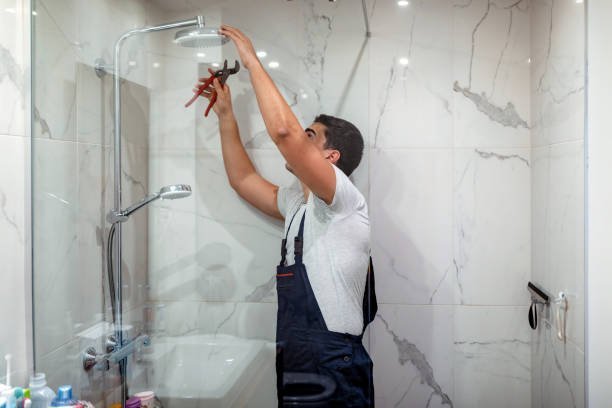
Once the main unit is secure and commissioned, the installer will fit the shower head, hose, and riser rail. This part looks simple, but placement still matters.
The rail should suit the household while keeping spray inside the enclosure. The hose should hang freely without sharp bends. If the maker supplies a specific hose or handset, use the approved parts so flow, performance, and warranty are not affected.
This is the part many people mean when they search for electric shower head installation, but the safety-critical work sits behind the cover, in the pipework, and at the consumer unit.
What affects electric shower installation cost?
Electric shower installation cost varies because every property is different. A like-for-like replacement is usually simpler than a first-time electric shower installation, but the final price depends on the survey.
Common cost factors include:
- the price of the shower unit
- whether the job is a replacement or a new install
- plumbing changes and pipe routing
- electrical upgrades, RCD protection, or consumer unit work
- cable route length and access
- tiling, sealing, boxing-in, or making good
- whether the work is urgent or out of hours
- certification and Building Regulations needs
If you compare electric shower installation cost uk guides online, treat national averages as rough background only. Your actual electric shower cost installation depends on your bathroom, electrics, and chosen shower. For a clear electric shower installation cost in Reading, ask for a site-specific quote rather than a generic estimate.
Common mistakes to avoid
Avoid these problems when planning an electric shower installation:
- buying a higher-rated shower without checking the circuit
- connecting an electric shower to the wrong supply
- ignoring RCD protection or certification
- hiding leaks behind tiles or panels
- fitting the shower where controls are hard to reach
- using wrong hoses, heads, or fittings
- assuming a plumber can do the electrical work alone
- assuming an electrician can fix poor water pressure or leaks alone
The safest route is a coordinated electric shower and installation service where plumbing and electrical needs are checked before the unit is fitted.
When to call an emergency plumber
Call for urgent help if you notice:
- water leaking from the shower unit
- water coming through the ceiling below
- a burst pipe near the shower
- drainage backing up into the tray or bath
- the casing cracking or overheating
- burning smells, buzzing, or repeated tripping
- no safe way to isolate a leak
If there is water near electrics, do not touch the shower. Isolate the supply only if it is safe, keep people away, and call a professional.
Need an electric shower installer in Reading?
For plumbing emergencies, shower leaks, drainage clearing, and heating issues across Reading and nearby areas, contact Plumbers 24hrs Ltd. Our team is available 24 hours a day, 7 days a week, covering Reading, Caversham, Earley, Tilehurst, Woodley, Wokingham, and Bracknell. Plumbers 24hrs Ltd
Call +44 118 321 4354 for help with urgent plumbing problems or to discuss electric shower installation Reading support. If your job needs electrical work, make sure the electrical side is completed and certified by a suitably registered electrician so your install is safe, compliant, and ready for daily use.
Frequently Asked Questions
How do I know if an electric shower is right for my bathroom?
An electric shower heats cold mains water on demand. That makes it useful if you want hot showers when your boiler or cylinder is not supplying hot water.
Check whether you are replacing like for like or doing a first-time install. Also confirm your cold mains pressure and flow, and review your consumer unit capacity.
You should also check that the cable, breaker, RCD protection, and isolator are suitable. Factor in any tiling, pipework, or wall repairs. If you want a higher kilowatt model, do not assume the old wiring is enough. Have a competent electrician inspect the site.
Is this a DIY job, and do I need Building Regulations approval?
Treat it as a professional job. Bathrooms are high-risk spaces, and Electrical Safety First advises using a registered electrician.
Electric showers need their own dedicated circuit and RCD protection. In England, some work must be reported under Building Regulations Part P. Examples include a new circuit or work around a bath or shower. A registered Competent Person Scheme electrician can manage the process and issue the certificate.
Even work that does not need reporting must still be designed, installed, inspected, tested, and certified to BS 7671. Do not remove shower covers or try the wiring if you are not competent.
What does a safe, professional installation involve?
A typical process includes surveying the bathroom and planning the routes. Then the installer safely isolates the water and electrics.
Next comes the cold-water supply. This includes proper routing, an isolation valve, and flushing. The electrical supply is then prepared by checking the rating, cable size and route, protective device, RCD or RCBO, earthing and bonding, and the local isolator.
After that, the unit is mounted with suitable fixings and sealed. The plumber connects the water and checks carefully for leaks. The electrician finishes the connection and commissioning by confirming water flow before heating, testing temperature and pressure, checking the RCD or RCBO and isolator, and looking for leaks again. The installer should then explain the controls and leave manuals and certificates.
What affects the cost of installing an electric shower?
Costs vary by property and scope. Key factors include the price of the shower unit, whether it is a like-for-like replacement or a first-time install, plumbing changes and pipe routing, any electrical upgrades such as RCD protection or consumer unit work, cable route length and access, tiling, sealing, boxing-in, or making good, urgency or out-of-hours work, and the needed certification and Building Regulations papers.
National averages are only rough guides. Get a site-specific survey and quote for accurate pricing.
What should I do in an emergency?
Call for urgent help if you see water leaking from the unit, water coming through the ceiling, a burst pipe, drainage backing up, casing cracking or overheating, burning smells, buzzing, repeated tripping, or if you cannot safely isolate a leak.
If water is near electrics, do not touch the shower. Isolate supplies only if it is safe, keep people away, and call a professional. In Reading and nearby areas such as Caversham, Earley, Tilehurst, Woodley, Wokingham, and Bracknell, Plumbers 24hrs Ltd offers 24/7 support on +44 118 321 4354. Make sure any electrical work is completed and certified by a suitably registered electrician.